Towards the Eradication of Phantom Limb Pain
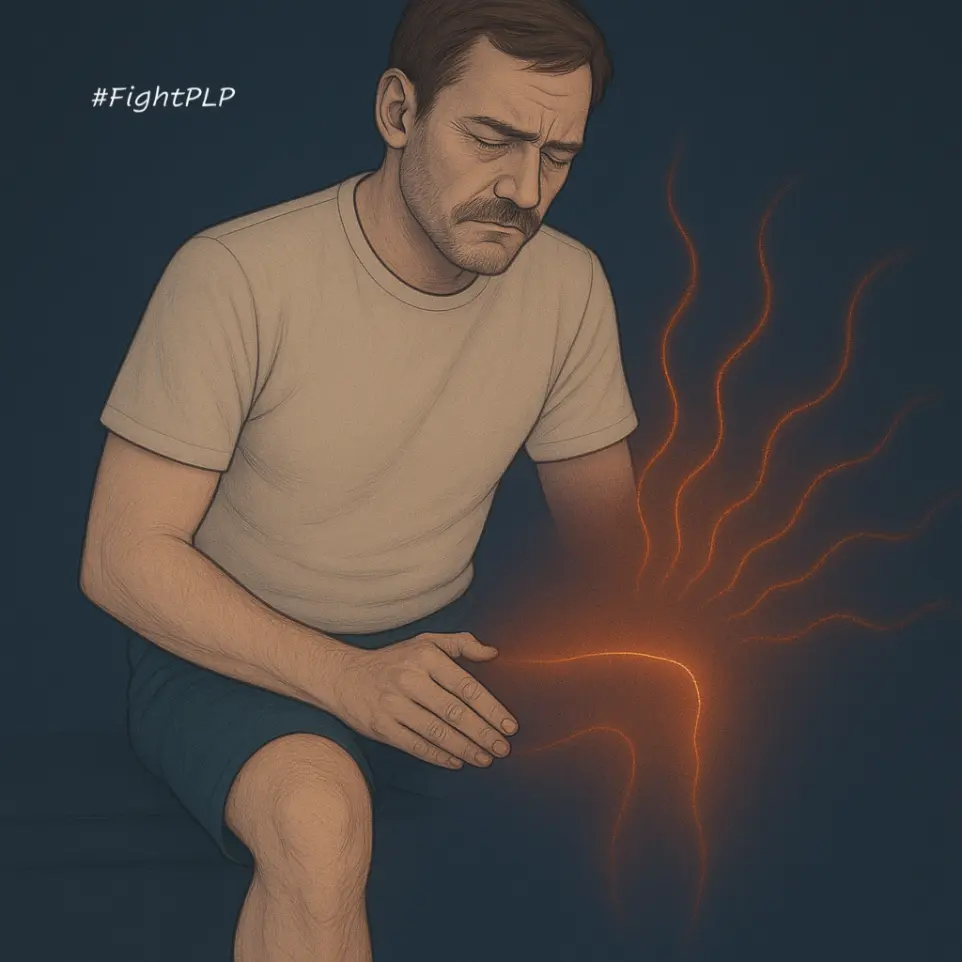
Professor Max Ortiz Catalán has made the worldwide eradication of Phantom Limb Pain (PLP) his life mission. PLP is a condition that can considerably hinder a person's quality of life and is currently suffered by the majority of people with limb amputation. Through innovation, education, humanitarian and development aid, and social entrepreneurship, Prof. Ortiz Catalán is working to make PLP an exception rather than the rule, regardless of geographical location or economic circumstances.
What is today accepted as a common consequence of amputation no longer has to be. Prof. Ortiz Catalán is convinced that the eradication of PLP is a realistic goal, made possible by modern advances in surgery and neurorehabilitation.
Effective treatments now exist for most cases, but they reach only a fraction of those who need them.
He believes that access to relief should not depend on where a person lives or what they can afford.
To close that gap, he founded #FightPLP, a non-profit initiative bringing awareness and education on PLP to the world, and Dolibera, a social purpose company that provides tools to treat and prevent it, putting them within reach of all who need them, wherever they are and whatever their financial means.
Innovation
Through research and development, from theoretical and applied science to technology and clinical translation.
Accessible Education
Through the global, multilingual educational campaign #FightPLP.
Philanthropic Work
Through voluntary humanitarian missions and development aid to conflict-affected and underserved regions.
Social Entrepreneurship
Through the social purpose company NeuroRehab Technologies.
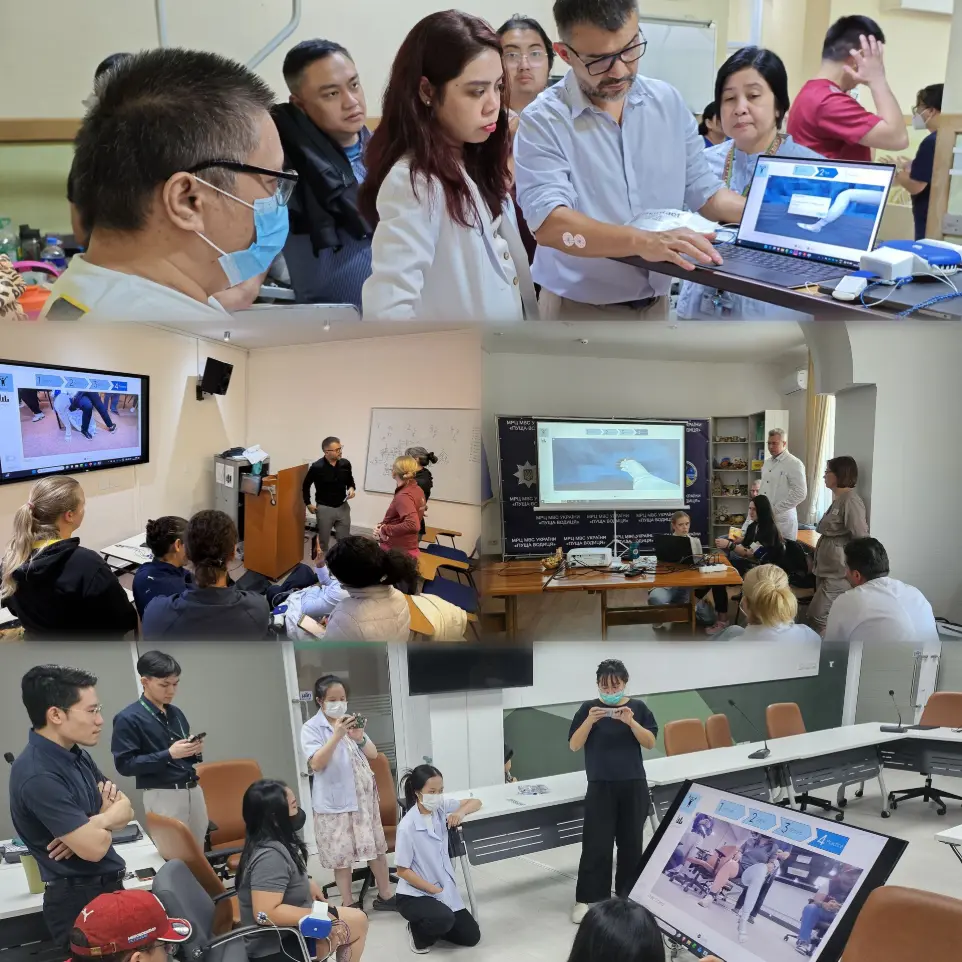
Raising awareness, reducing stigma, and improving care through education
After a decade of conducting basic and translational research on PLP, including the clinical implementation of new therapies in several countries, Prof. Ortiz Catalán came to the realization that education may play an even bigger role in reducing the global prevalence of PLP than any new treatment or technology alone. Here’s why:
- Stigma around PLP can prevent patients from seeking help and can lead clinicians to dismiss the condition. This can be fixed through education!
- Most medical programs teach outdated or insufficient content on PLP (if they address it at all), leading to suboptimal care and poor prevention. This can be fixed through education!
- Empathy drops when people cannot understand a condition, making it even harder for PLP sufferers to be heard and supported. This can be fixed through education!
This motivated Prof. Ortiz Catalán to launch the global educational campaign #FightPLP, a volunteer-based, non-profit initiative that provides the general public, people living with PLP, and clinicians with accessible, science-based, and up-to-date information about the condition, its treatment, and prevention.
Innovation through science and technology
Prof. Ortiz Catalán has researched PLP for over a decade and has published more than 40 scientific articles on the nature of this condition and its treatment, making him one of the most prolific researchers in the field.
Mechanistic foundations of PLP. He introduced the Stochastic Entanglement hypothesis for the pathogenesis and treatment of PLP (Ortiz-Catalan, Frontiers in Neurology, 2018 and update in Ortiz-Catalan, JNER, 2026). By accounting for clinical observations that earlier hypotheses cannot, including why only some amputees develop PLP and why its onset varies in time, it offers greater explanatory power than previous hypotheses.
Development of treatments for PLP. He introduced Phantom Motor Execution (PME), which has been shown effective in patients with chronic intractable PLP (Ortiz-Catalan et al., The Lancet, 2016), and more recently Progressive Motor Training (PMT), which has been shown suitable for resource-constrained settings (Ksenchyna et al., Journal of Pain Research, 2026). Training of phantom movements, or phantom motor training, is the common thread in these approaches.
Standardization and dissemination of PLP treatments. He has been leading the largest international clinical trials on plasticity-guided and surgical treatments for PLP. He has also led efforts to standardize surgical procedures such as Targeted Muscle Reinnervation (TMR) and Regenerative Peripheral Nerve Interfaces (RPNI) so they can be more easily adopted and evaluated (Pettersen et al., Trials, 2023).
Learn more about the Stochastic Entanglement hypothesis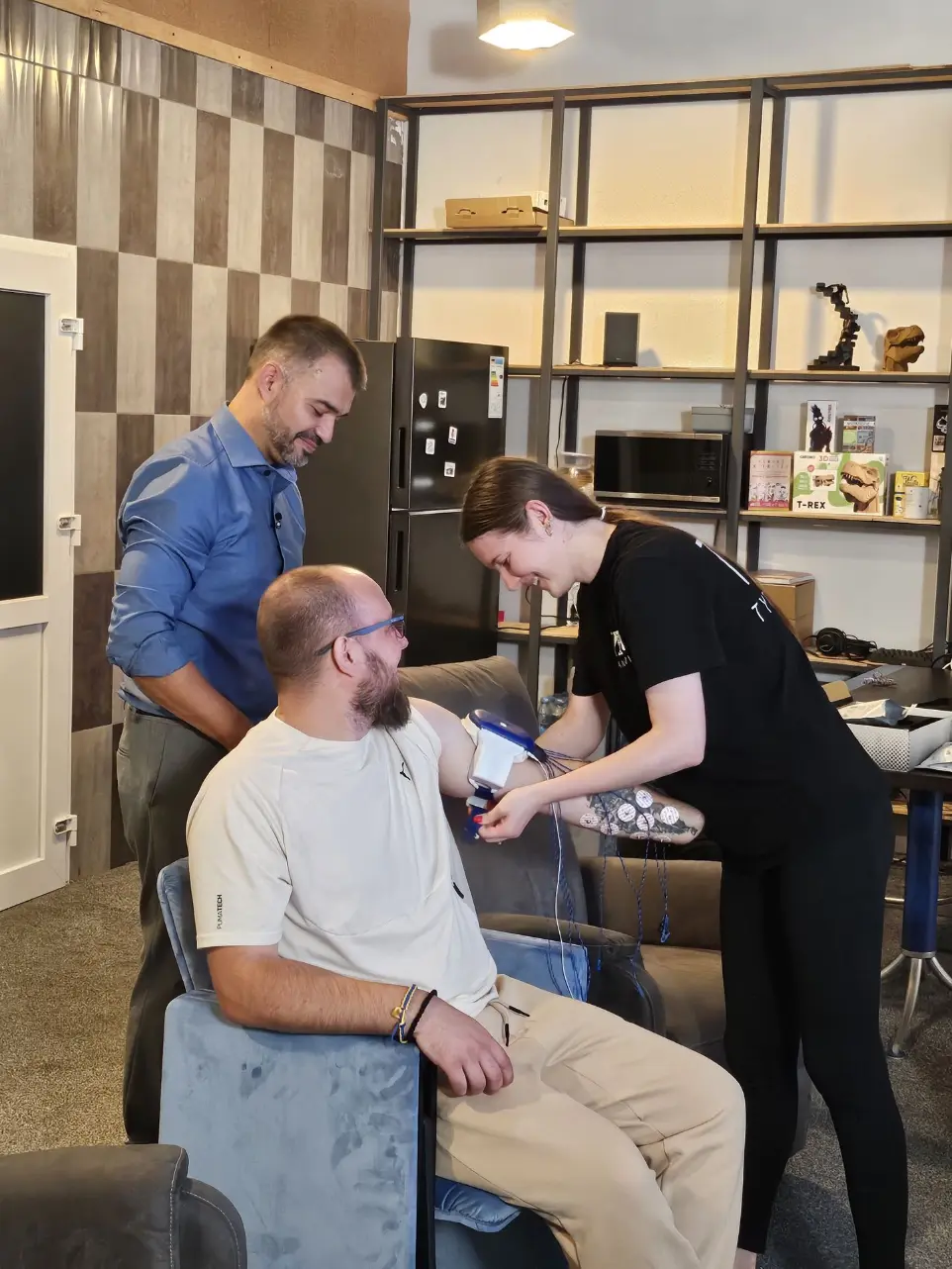
Voluntary Humanitarian and Development work
Prof. Ortiz Catalán conducts humanitarian and development work in conflict and underserved regions. He is currently based in Ukraine, supporting the rehabilitation of the more than 100,000 people who have undergone amputations as a result of the Russian full-scale invasion of Ukraine. He has also carried out voluntary work in Southeast Asia, Africa, and Latin America.
Support rehabilitation in conflict and underserved regions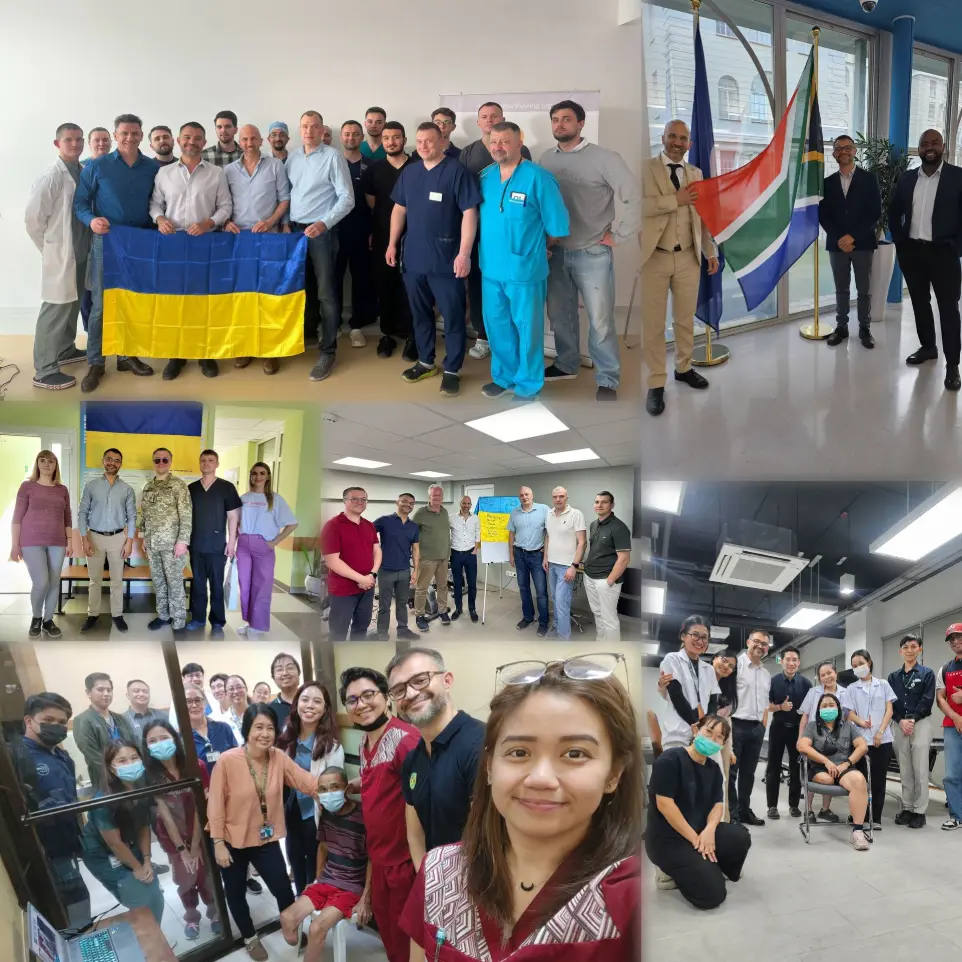
Social Entrepreneurship
Prof. Ortiz Catalán founded the social purpose company NeuroRehab Technologies to bring the technologies he and his team developed over a decade of research to those who need them, regardless of geographical location or income.
Learn more about NeuroRehab Tech.